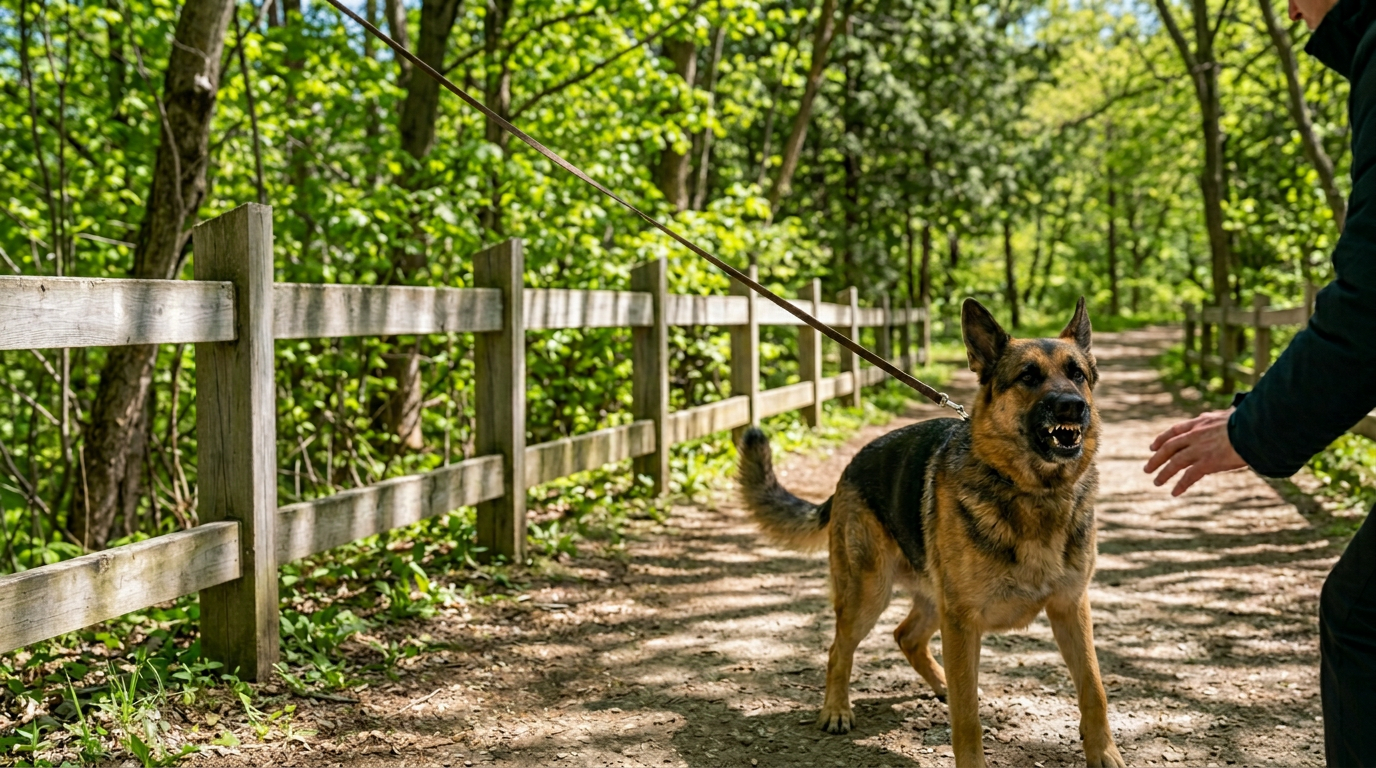
A dog bite can happen in an instant and leave lasting harm. Beyond the immediate wound, victims often face infection, permanent scarring, nerve damage, and, especially for children, lasting emotional trauma. Because dogs frequently bite at face height on a small child, injuries to young people can be particularly serious. If a dog has injured you or your child in Nova Scotia, you may be entitled to compensation.
This article explains how a dog owner can be held responsible, what steps to take after an attack, and how the law approaches these claims.
How owner responsibility works in Nova Scotia
Nova Scotia does not have a single, simple dog-bite statute that makes an owner automatically liable in every case. Instead, responsibility usually rests on two legal foundations. The first is negligence: if an owner failed to take reasonable care to control or restrain their dog, and that failure led to your injury, they may be liable. The second is the common law doctrine of scienter, which can apply where an owner knew, or ought to have known, that their dog had a tendency to be dangerous.
Municipal law also plays a role. Nova Scotia’s Municipal Government Act gives towns and municipalities the power to make by-laws about dangerous dogs, including defining what counts as a dangerous or fierce dog, requiring owners to control such animals, and authorizing officers to act. Notably, provisions in that framework can allow a dog to be declared dangerous without proof that it attacked before. A local by-law that an owner has broken can help show that the owner failed to meet the standard the community expects.
Where dog bites commonly happen
Attacks are not limited to strangers’ dogs on the street. Many bites occur at a friend’s or neighbour’s home, in a park, or when a dog is off leash where it should have been restrained. An owner’s duty to control their animal does not disappear because the person injured was a guest, and being a visitor does not take away your right to seek compensation.
What to do after a dog bite
Seek medical care promptly, because dog bites carry a real risk of infection and some wounds need professional cleaning or stitching. Report the bite to your municipality’s animal control so there is an official record. Identify the dog’s owner and get their name, address, and contact information, along with the names of any witnesses. Photograph your injuries and the location, and keep records of your medical treatment and any expenses. If the dog has a history, note anything you learn about past incidents.
Compensation you may be able to claim
Compensation in a dog bite case can include medical and rehabilitation costs, the expense of treating scarring or reconstructive work, lost income, out-of-pocket costs, and damages for pain and suffering, including the psychological impact of the attack. For a child left with facial scarring or a lasting fear of animals, the emotional harm is a real and recognized part of the claim.
When the injured person is a child
Children are the most common victims of serious dog bites, and their claims deserve particular care. Because a young child is at the height of a dog’s head, bites often affect the face, and the resulting scarring can be permanent. The law also recognizes that a frightening attack can leave a lasting fear of animals and other emotional effects that follow a child for years. Claims on behalf of a minor involve special rules, including protections around limitation deadlines and court oversight of any settlement, all of which are meant to safeguard the child’s interests. A parent does not have to navigate this alone.
Homeowner and tenant insurance
In many dog bite cases, compensation is paid through the dog owner’s home or tenant insurance rather than out of their own pocket. This is one reason people are sometimes reluctant to pursue a claim against a friend or relative, but it is worth understanding that an insurer, not the individual personally, often stands behind these claims.
The team of lawyers at Diamond and Diamond have experience handling dog bite and animal attack claims in Nova Scotia. Call our 24/7 injury hotline at 1-800-567-HURT or visit diamondlaw-ns.ca to speak with someone now. We offer free consultations and case evaluations, and our lawyers represent injured people across Nova Scotia, from Halifax to Sydney, Yarmouth, and beyond.